
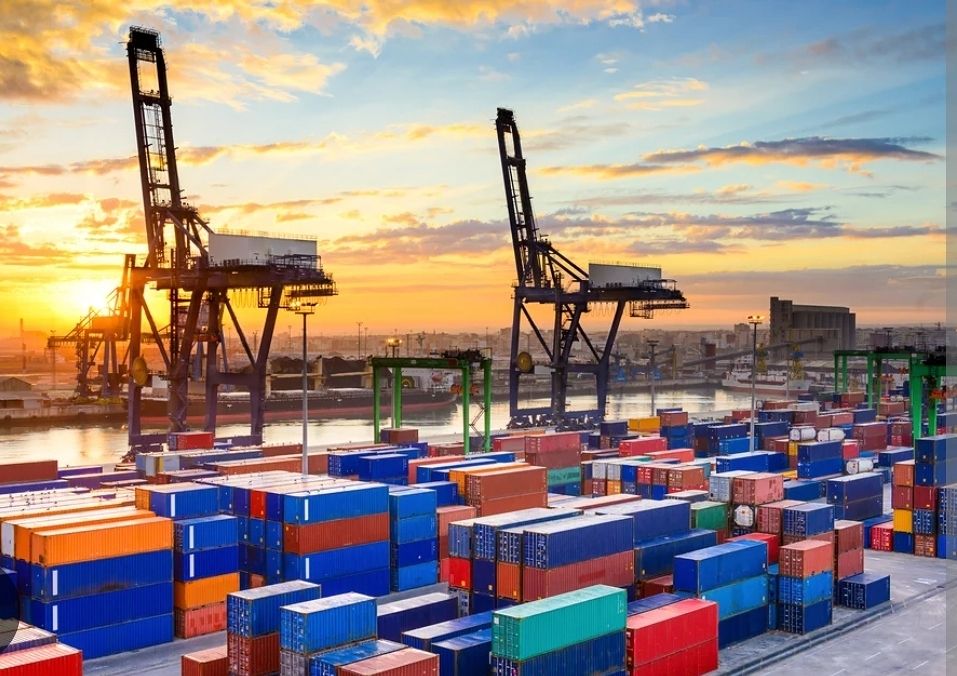
How Exports Drive National Economic Growth

Oleh : Krisna P Laurensius
Tenaga Ahli bidang Kerjasama internasional
Lapenkopwil Jawa Timur
Abstraks (Bahasa Indonesia)
Ekspor merupakan salah satu pendorong utama pertumbuhan ekonomi nasional karena mampu meningkatkan devisa, menciptakan lapangan kerja, memperluas pasar, dan memperkuat daya saing produk dalam negeri. Artikel ini membahas pentingnya orientasi ekspor sebagai strategi pengembangan koperasi di Indonesia, khususnya di Jawa Timur. Melalui peningkatan kualitas produk, penguatan kapasitas kelembagaan, pemanfaatan teknologi digital, serta dukungan kebijakan pemerintah, koperasi memiliki peluang besar untuk memasuki pasar internasional dan meningkatkan nilai tambah usahanya. Oleh karena itu, pengembangan koperasi yang berorientasi ekspor perlu menjadi bagian dari agenda strategis dalam mendorong pertumbuhan ekonomi yang inklusif, berkelanjutan, dan berdaya saing global.
**
Exports have long been recognized as one of the major engines of economic growth. By selling products to international markets, a country earns foreign exchange, creates employment opportunities, strengthens domestic industries, and improves the competitiveness of local businesses.
Countries with strong export performance generally experience faster economic development because their industries continuously innovate to meet global standards.
For Indonesia, exports represent more than an economic activity—they are a strategic instrument for sustainable national development. Expanding exports helps diversify sources of national income while reducing dependence on domestic consumption.
As global demand continues to evolve, Indonesian products have increasing opportunities to compete in international markets, particularly in agriculture, fisheries, manufacturing, and creative industries.
Cooperatives have an important role to play in this transformation. With millions of members across the country, cooperatives possess abundant resources, local products, and entrepreneurial potential. However, many cooperatives remain focused on local markets and have yet to explore export opportunities. By adopting an export-oriented mindset, cooperatives can increase product value, expand market access, and generate higher incomes for their members.
Achieving this vision requires stronger institutional capacity, product quality improvement, digital marketing, compliance with international standards, and collaboration with government agencies and export promotion organizations. Export readiness should become an integral part of cooperative development policies rather than an optional business strategy.
Government support through training, market intelligence, certification assistance, and integrated digital information systems will further strengthen cooperative competitiveness.
The future of Indonesia's cooperative movement depends not only on serving local communities but also on participating in the global economy.
By embracing exports as a strategic direction, cooperatives can become powerful contributors to regional prosperity, national economic resilience, and sustainable development.
Looking beyond domestic markets is no longer an option—it is a necessary step toward building stronger cooperatives and a stronger Indonesia.(*)








Komentar